ash alberg

Details:

Craft

Grade Level: k, 1, 2, 3, 4, 5, 6, 7, 8, 9, 10, 11, 12

Language: english

Regions: Norman, Parklands, Interlake, Westman, Central Plains, Pembina Valley, Eastman, Capital Region

Contact:

Biography

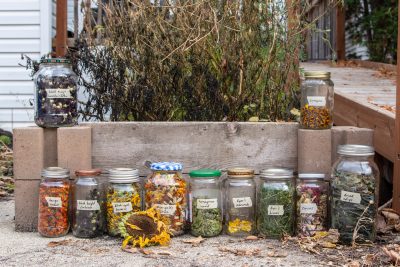
ash began facilitating workshops and classes in 2005 in arts-based spaces. In the decades since, they have taught thousands of people of all ages both in-person and online, becoming known globally as a natural dyer specializing in local colour palette exploration and the ethics and considerations that go into that. In 2024, ash developed natural dyeing curriculum for schools for grades K-12. They host the Cosmos Conference for natural dyers, and work alongside Parks Canada for the LFG historic dye garden. See more on their website.
ash is a member of the queer community and approaches all of their workshops and classes through an intersectional decolonial feminist lens and with a focus on harm reduction and maintaining safe spaces for all students, regardless of age.
They are currently pursuing their PhD at the University of Manitoba, focused on the use of natural dyes as experiential learning tool in the classroom.

Media

ash alberg work sample ash alberg work sample ash alberg work sample

Project Samples

natural dyeing 101

Students will learn about science and art simultaneously as ash teaches them all about the magic of natural dyeing with plants and bugs. With the potential for local plant walks (depending on time of year and location) and/or discussing local dye plants to be grown at school for an extra project, ash will teach students about the importance of local textile production and its role in combatting climate change. Depending on the age of students, we will spend different amounts of time on colour theory, natural rainbows, plant identification, decolonial and ancestrally rooted natural dyeing techniques, ethics and logistics of foraging, the chemistry behind natural dyeing, and the economic and environmental impacts of supporting a local textile economy. If time and space permits, a natural dye garden will be built on school property or in nearby community gardens (with appropriate communications beforehand) so that students will continue to access supplies long after the residency.

natural pigments & paints

Students will extend their natural dyeing knowledge through the application of natural dyes in different activities, including making handmade paper, natural pigments and paints from leftover dye pots, potato print stamping with natural dyes on fabric, and more.

edible natural dyes

A perfect variation of the other programs, but focused entirely on edible natural dyes and materials! Variations for this series include an indigo vat made with fruit and locally grown indigo, edible dyes and compost-as-dyes, and cooking with natural dyes.